
13 July 2026
BIP-110’s supporters are right that Ordinals, inscriptions, and arbitrary data are poor uses of Bitcoin block space. But turning that objection into a consensus rule creates a much larger problem: deciding which fee-paying transactions Bitcoin users should be permitted to make.

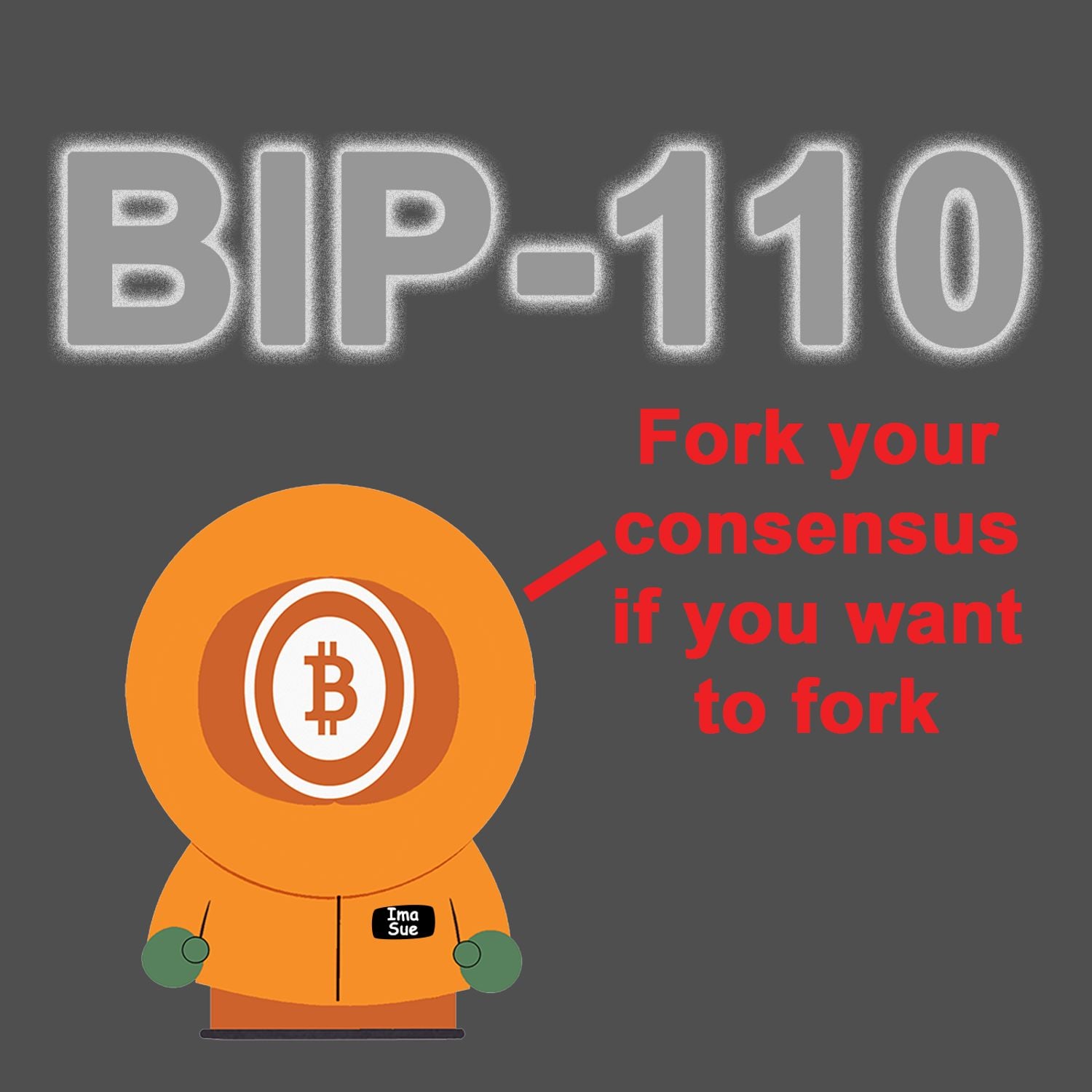
I do not like Ordinals. I do not like inscriptions. I think stuffing arbitrary images, token metadata, and other junk into Bitcoin transactions is stupid, unproductive, and a waste of block space. So BIP-110 begins with a complaint I can understand. The problem is that it takes a legitimate irritation and proposes a cure that is worse than the disease.
BIP-110 would temporarily impose consensus-level restrictions on several methods used to place arbitrary data inside Bitcoin transactions. Its stated purpose is to refocus Bitcoin on being permissionless money rather than a general-purpose data-storage system. The restrictions are intended to last about one year, and the proposal’s authors say known monetary uses would remain unaffected.
But Bitcoin being permissionless means something even when people use it in ways I dislike. You cannot claim Bitcoin is censorship-resistant and then begin writing consensus rules that determine which properly constructed, fee-paying transactions are morally acceptable. A miner can refuse a transaction. A node operator can run whatever software he wants. But trying to make one faction’s transaction policy binding on the wider network is a very different proposition.
That is where BIP-110 stops being an argument about spam and becomes an argument about control. Supporters see inscriptions as an abuse of block space. Critics see the proposal as an attempt to police other people’s transactions. Adam Back has made that objection directly, while Michael Saylor has argued that the proposed intervention may be more dangerous to Bitcoin than the spam it is supposed to stop.
The word “temporary” bugs me. What exactly is a temporary consensus restriction supposed to accomplish? After one year, do the old rules return and inscriptions resume? Does the restriction get extended? Does another political fight begin over what remains prohibited? Calling the fork temporary does not answer the underlying question. It merely delays the next argument while establishing the precedent that Bitcoin’s transaction rules can be tightened to suppress an unpopular use.
The current support numbers do not suggest that the network is eager to take that step. Miner signaling has remained below one percent and recently stood at zero, far short of the proposal’s 55 percent threshold. Nodes enforcing the rules without broad miner participation would not clean up Bitcoin for everyone. They would risk separating themselves onto a minority chain.
That does not mean the proposal can be ignored. Bitcoin’s block-size war taught us how quickly a technical disagreement can become a political campaign filled with deadlines, declarations, pressure, and fear. People who lived through that fight should know better than to manufacture another consensus confrontation without overwhelming support. BIP-110 may be aimed at transactions I consider ridiculous, but Bitcoin’s refusal to ask permission is more important than my opinion about how somebody else uses block space. That is the larger principle, and it is the one BIP-110 gets wrong.
🍫 Circle P Vendor of the Day:
Oshi
“The better butter to butter better”
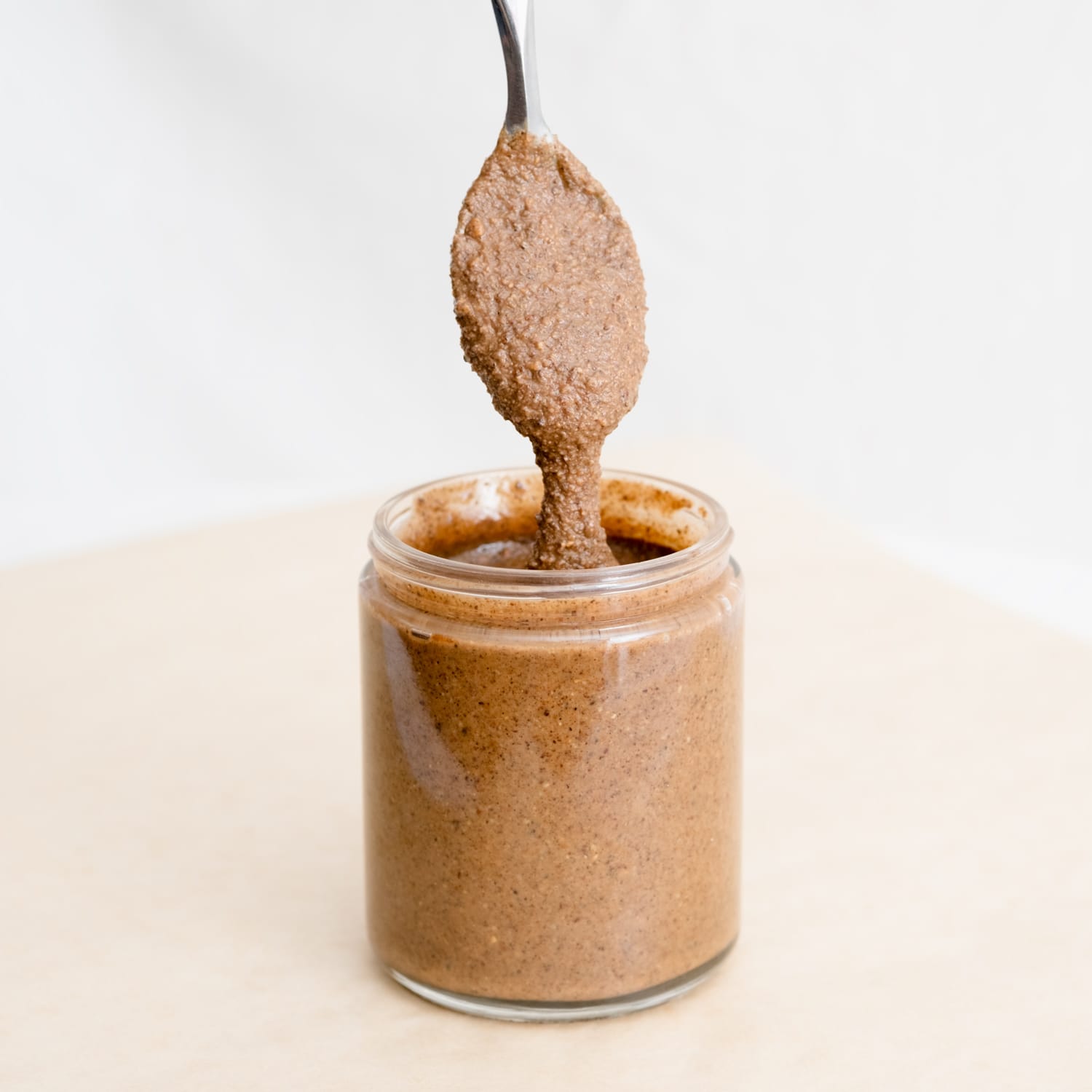
Pecan butter that'll stack your sats.
Date bars that slap.
Chocolate that tells your stress to pack its bags.
He makes it. You buy it with Bitcoin.
Code: BITCOINAND lets him know you heard about it on the Circle P!
Get the Goods HERE --> https://oshigood.us
- Bitcoin BIP-110
- BIP-110 soft fork
- Bitcoin Ordinals debate
- Bitcoin transaction censorship
- BIP-110 miner support

Member discussion: