15 June 2026
Good morning. Today we look at SpaceX tokenized shares getting scrapped, Bitcoin treasury games, prediction market jurisdiction, oil repricing, and the rise of local AI agents, tying them together with one larger warning: every shiny new financial or technical product asks you to hand over just a little more control.

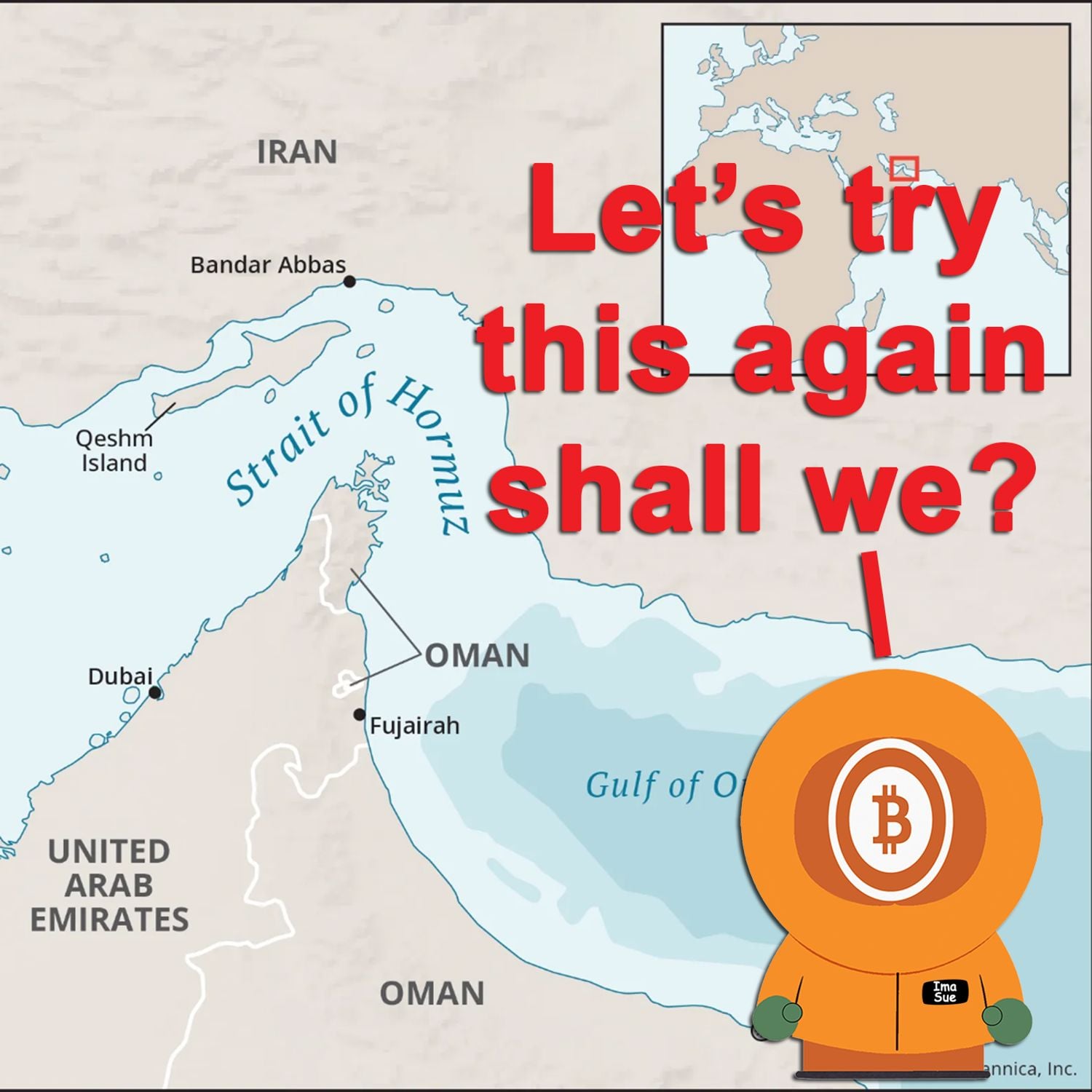
The market got a little bit of relief on the reported U.S.–Iran breakthrough, and you can see it everywhere. Oil pulled back, stocks caught a bid, Bitcoin got a bump, and everyone is acting like the danger has passed. I've seen this movie before. A signed agreement does not magically turn unstable people, unstable governments, and unstable incentives into something reliable. Reality may have something else in store.
The tokenized SpaceX mess should surprise exactly nobody. People were chasing “pre-IPO exposure” through crypto platforms, only to discover that exposure is not ownership. These products were very careful to say that what you were buying was price exposure, not actual shares. And when the underlying allocation did not show up, the platforms had to unwind the whole thing. Who could have imagined that a synthetic version of something you do not own might not behave like the thing itself?
The SpaceX story also gave everyone a fresh reason to scream about Elon Musk becoming a trillionaire. But the yelling misses the point. A trillionaire is not born in a vacuum. A trillionaire is what happens when governments spend decades destroying the money. If your currency can be printed into oblivion, it will be. We used to talk about millionaires. Then billionaires. Now trillionaires. The trend is not mysterious. It is the predictable result of fiat money being stretched until the word “wealth” starts to lose all connection to reality.
And then there was Bitcoin. Bitcoin is not perfect because people around it are perfect. Clearly, they are not. Bitcoin matters because it remains tied to something outside political theater and spreadsheet magic. It is tied to energy, difficulty, time, and physics. That does not mean every Bitcoin-flavored product deserves your trust. Quite the opposite. When you see preferred shares, synthetic stablecoins, dividend-backed credit instruments, and “digital credit” stacked on top of corporate Bitcoin treasuries, you should slow down. If you want Bitcoin exposure, you can buy Bitcoin. You do not need to climb a ladder of financial engineering built by people who swear this time the leverage is safe.
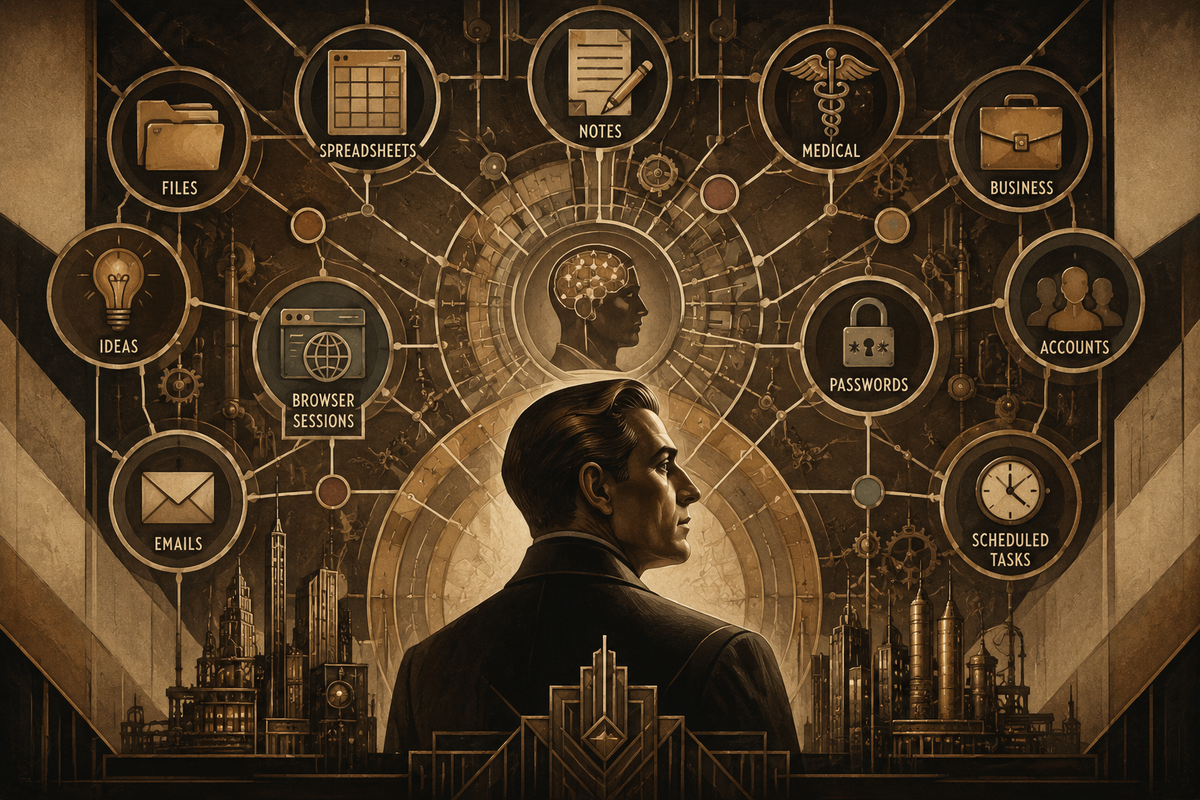
Kimi Work sounds impressive: hundreds of agents, local files, browser control, scheduled tasks, reports, spreadsheets, research, automation. It also sounds like the beginning of a very expensive personal data disaster. Ask yourself a simple question: do you even remember every file sitting on your computer? Old spreadsheets, tax notes, private documents, half-finished ideas, medical files, business records, browser sessions, passwords, accounts, emails. Now imagine handing an AI agent broad access to all of that because the demo looked cool. The shear amount of connections that can be made, resulting in a profoundly deep profile of you, should cause you to pause and with any luck, to stop.
It's the Battlestar Galactica lesson. The safest computer system is sometimes the one that is not networked to everything else. Captain Adama was right. Once everything talks to everything, one compromise becomes everyone’s problem. The same is true on your laptop. “Local” does not automatically mean safe when the model, the API, the browser bridge, and the automation layer can still move data outside your control. You'll get convenience, speed, and useful connections between forgotten files. But the price may be a complete behavioral map of your life.
That is the thread running through all of this. Tokenized shares promise access. Digital credit promises yield. AI agents promise convenience. Federal regulators promise clean jurisdiction. Fiat promises stability. Every one of them asks you to trust a system you do not fully control. Bitcoin was supposed to teach us the opposite lesson. Hold the real thing. Minimize trust. Keep control where you can. And when someone offers you a shiny product that turns ownership into exposure, savings into credit, or your hard drive into training material, take a breath before you let the machine in
- Bitcoin treasury risk
- tokenized stock exposure
- AI agents privacy risk
- Bitcoin self custody
- digital credit Bitcoin

Member discussion: